
Operating in complexity
There is a natural human drive towards consolidation over exploration. Inherently we can feel that successes are something to be protected, perhaps to build on, but never to take risks with. This is a easy mindset to develop, but why is it dangerous? At first glance, there are many positive aspects, especially for close-horizon time scales. But across longer periods of time, the negatives significantly outweigh those positives. We find ourselves favouring entrenchment over mobility, and change and innovation become suppressed. So how can we optimise what we have, explore new possibilities, and stay future-focused?

Consolidation and exploration - balancing evolution and revolution
There is a natural human psychology for consolidation over exploration. Inherently we can feel that successes are something to be protected, perhaps to build on, but never to take risks with. This is a easy mindset to develop, but why is it dangerous? At first glance, there are many positive aspects, especially for close-horizon time scales. But across longer periods of time, the negatives significantly outweigh those positives. We find ourselves favouring entrenchment over mobility, and change and innovation become suppressed. So how can we optimise what we have, explore new possibilities, and stay future-focused?

Digital Ethics - Making Choices
Our technology growth has taken us on a fantastic journey. Inside of the last 25 years we have gone from wired phones in our houses, to powerful computers strapped to our wrists. We can transfer money across to the other side of the world in fractions of a second. Whole autonomous organisations can be contructed from smart contracts that live distributed across the digital world. I can authenticate to my bank through facial recognition. My favourite websites know me better than I know myself, and can act as smart agents, predicting what I would like, where I would want to go, how I might vote… This digital world is one of data and machines, locations, behaviours, machine learning predictions. automated interactions. These abilities give us the power to do great things, but in doing so we have also achieved the power to do immense damage. How do we navigate this new world and maintain integrity? How do we cross ever-more amazing frontiers without losing our ethical direction?
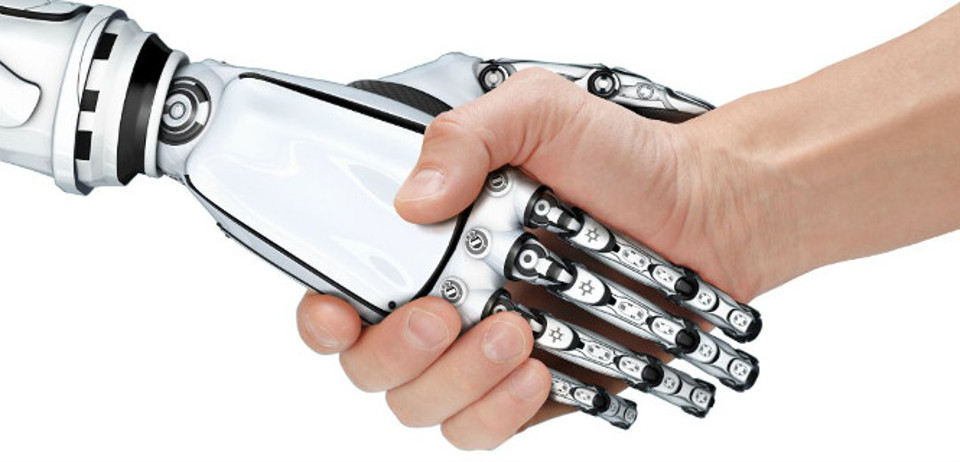
Supplier business models in an automated world
As the pace of progress within existing markets increases year on year there are both new opportunities and substantial challenges to the successful and established companies across many industries. One of the key pathways through this modern landscape is often summed up in the all-encompassing term ‘Digital Transformation’. The definition varies depending on who you ask, but broadly speaking is a mix of modernisation of IT infrastructure and movement to more Agile methodologies. In general, trying to establish a modern software house as part of the business. Large organisations however are a myriad of different functionalities, groupings, operational processes, and supplier companies. In the zero-margin world of high automation and digital scaling, where do these supplier companies fit in? And how relevant are their differing business models in providing value to the host business?

Uncertain Futures
One of the most common challenges as businesses transform more of their traditional capabilities into digital ones is the breadth and depth of the change itself. Core changes to the organisational structure, processes, and culture. The functional components and interactions of these aspects of a large organisation help to define what we mean when we talk about complex systems. But it is also when we look through the lens of complex systems that we can get a different vision of change. Seeing it not as a disruption in so much as a possible instrument of stability and predictability. The rapidity of change not being something that is to be feared but instead something that can be embraced as a stabilising force. Complex systems concepts span a broad horizon as an abstraction of the behaviours of many disparate areas such as biological, computational and societal systems composed of many parts. Here we look at one small technological part and how understanding more of its behaviours as a complex system affects the ways we can view it and work in digital environments. To do this we’ll start by looking at the humble CICD pipeline…
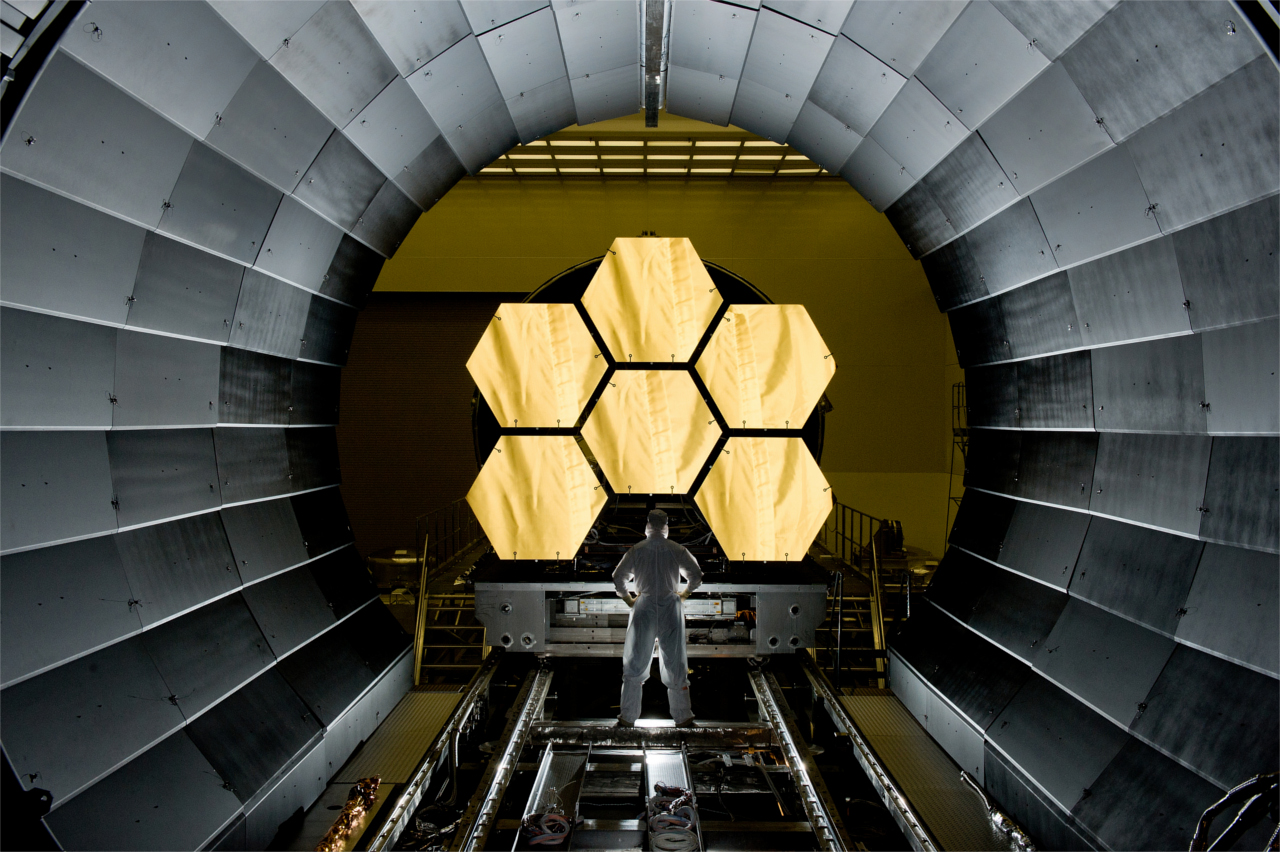
Automated Business
If anything defines the business landscape in the modern world over the last few years it is the increasing sophistication of technology, the ever-quickening pace, complexity, scale of data, and dropping of costs. The power of the tools now available to organisations is incredible. With one click we can add massive data lakes, machine learning, and personal AI assistants, let alone the day-to-day underlying traditional compute uses we are more familiar with. What also seems clear however is that we aren’t able to keep pace with the availability of technologies in the majority of cases. Amazon and Google scale companies, and others whose businesses are essentially reliant on staying at the front-edge of technology, are able to harness the power of new functionality, their survival requires it. But what of the rest of the businesses out there, those who’s primary driver is not necessarily technological?

Evolving Relationships
Commercial businesses and governmental departments can be some of the largest and most diverse organisations in any county. No matter the strengths of its internal capability there can never be enough expertise and enough flexibility in staffing to cover all its activities and transformational projects. This is where the benefits of external suppliers and collaborations can come in.

Hierarchy Formation in Flat Organisations
The natural and unmanaged formation of groups and sub-cultures in companies, as in broader society, is a well-established human behaviour, leading to many social and intellectual benefits. The diffusion and generation of information and ideas with other people, and connecting those that share an interest or view.